 GDU
GDU
 UUUFLY
 DJI
DJI MMC
MMC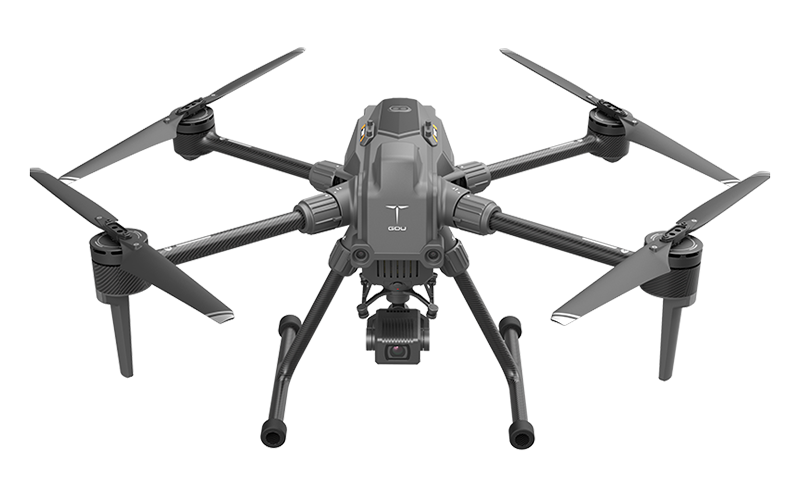 GDU
GDU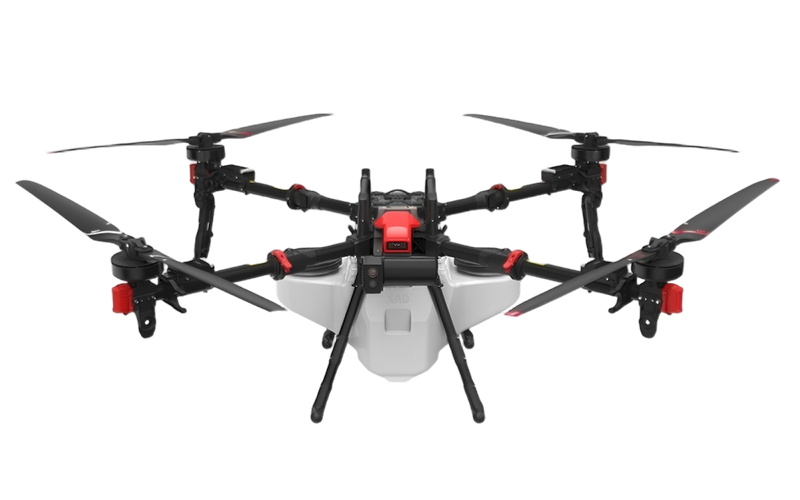 XAG
XAG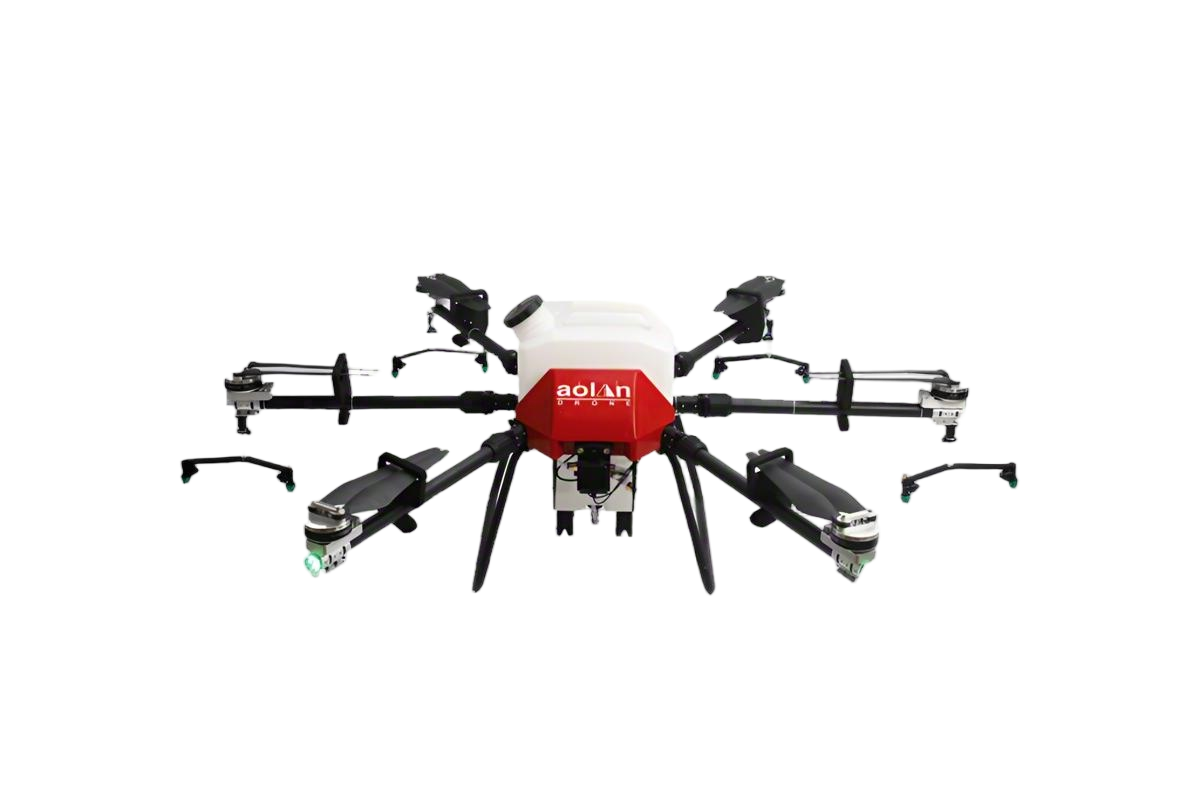 AOLAN
AOLAN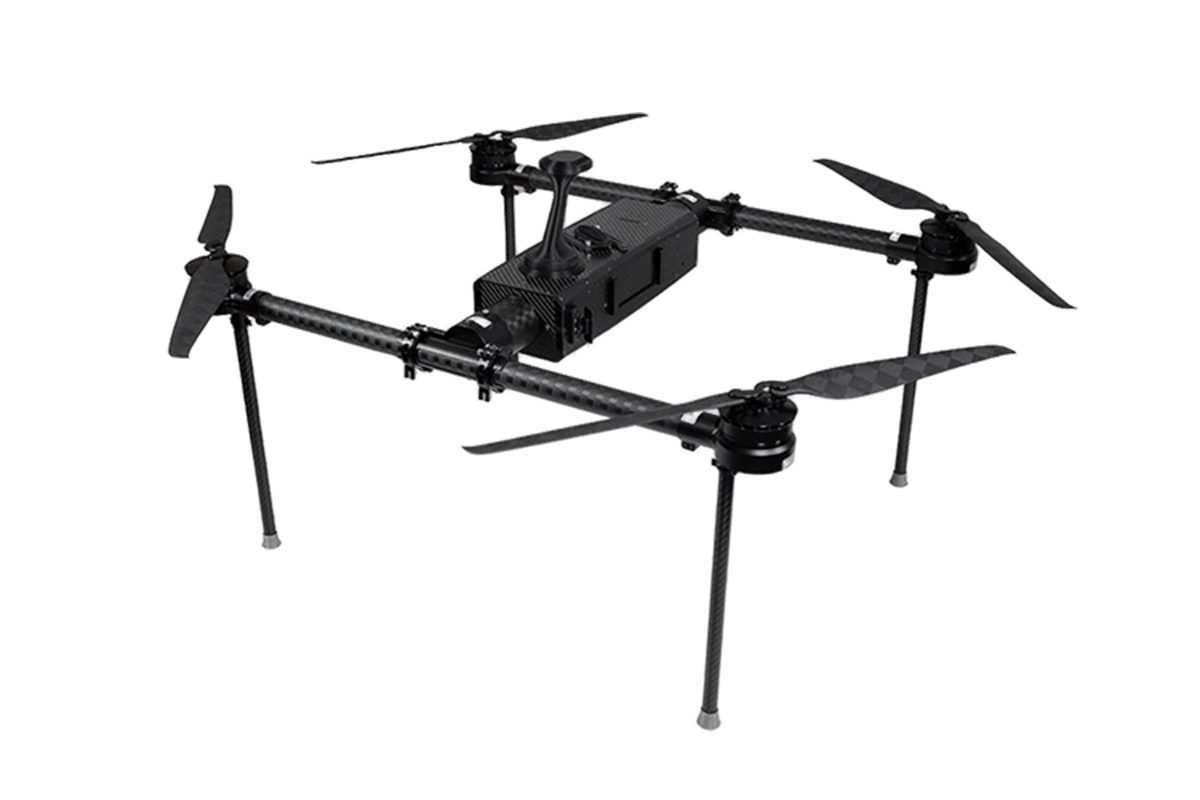 KEEL
KEEL SKY NEXT
- DJI Matrice-4T
- DJI Matrice 4E Drone
- DJI Matrice 4TD
- DJI Matrice 30T
- DJI Mavic 3 Emterprise
- DJI Mavic 3M Multispectral Drone
- DJI RC 2 Plus Industry Plus
- DJI Matrice 4 Series Battery
- DJI Matrice 4D Series Batteries
- TB65 Intelligent Flight Battery
- TB100 Smart Flight Battery
- WB37 Battery
- DJI Accessories

The agriculture world is changing fast, and technologies like Spray Drones are really leading the charge. These nifty gadgets are completely transforming how farmers spray pesticides and fertilizers—making the whole process more efficient and precise. John Smith from AgriTech Innovations puts it nicely: “Spray Drones are truly changing farming — making it smarter and more sustainable.” Honestly, it’s pretty exciting to see how much impact they’re having.
Basically, these drones come equipped with advanced sensors and GPS tech, which helps ensure everything gets sprayed just right. Farmers save a ton of time, and they also use fewer chemicals—meaning healthier crops and a happier environment. But, of course, it’s not all smooth sailing. There are some hurdles, like regulations and how the public perceives drone use in farming. Learning and adapting to new tech can be a bit daunting at first; farmers need to get the hang of drone operation and managing all that data.
Even with those challenges, the pros are pretty clear. Spray Drones boost productivity and help cut down labor costs. As more people get comfortable with them, ongoing education and support will really be key. It’s gonna take some patience and a open mind — but farmers are generally ready to embrace these changes. Still, integrating this new tech smoothly into traditional farming practices requires some careful thought and planning. Overall, it’s an exciting time, and with the right approach, these drones could really change the game for agriculture.

Understanding the Concept of Spray Drones
Understanding the concept of spray drones reveals their significant role in various industries. These drones are equipped with advanced technology to deliver precise amounts of liquid, such as fertilizers or pesticides. They use GPS and sensors to navigate fields and target specific areas. This precision helps in maximizing efficiency and reducing waste.
The appeal of spray drones lies in their ability to cover large areas quickly. Farmers can monitor crops from above and identify problem spots. However, this technology is not without challenges. There can be issues with connectivity and battery life. Training is essential for operators to ensure safety and proper usage. Regular maintenance is also necessary to avoid malfunctions during critical tasks.
While spray drones offer promising benefits, there is room for improvement. Users must remain aware of the environmental impact. Balancing efficiency and sustainability remains a key consideration. As this technology evolves, ongoing research and feedback will shape its future applications.
Maximizing Crop Yields: The Impact of the AL6-30 6-Rotor Agricultural Spraying Drone on Precision Agriculture in the 2023 Market
The agricultural industry is undergoing a transformation with the introduction of advanced technologies, especially in the realm of precision agriculture. The AL6-30 6-Rotor Agricultural Spraying Drone stands out as a significant innovation designed to enhance crop yields significantly. Engineered for professional farm use, this drone delivers efficient and powerful crop treatment solutions. Farmers can now utilize this technology to optimize their spraying processes, ensuring that crop health is managed with precision and accuracy, leading to healthier yields.
The impact of such drones on modern farming practices is profound. By employing the AL6-30, farmers can administer fertilizers and pesticides more evenly and effectively, reducing waste and enhancing the sustainability of agricultural operations. This drone features advanced navigation systems that allow for precise application, minimizing overlap and ensuring that every square foot of farmland is treated adequately. As the 2023 market evolves, the deployment of such efficient tools will be crucial for farmers aiming to maximize production while addressing environmental concerns.
Moreover, the integration of this technology fosters a data-driven approach to farming. Real-time analytics can guide farmers in making informed decisions about their crops, responding quickly to the specific needs of their fields. This combination of efficiency, precision, and data utilization will not only boost productivity but also set a new standard in how farming is conducted in the years to come. As precision agriculture continues to gain momentum, the role of innovative solutions like the AL6-30 drone will be pivotal in helping farmers cultivate the land effectively and sustainably.

FAQS
: The main component is a high-capacity tank that holds the liquid solution.
They use nozzles that atomize the liquid for efficient coverage of larger areas.
Improper handling can lead to inconsistent results in spraying applications.
Frequent recharging may be needed, especially when covering large fields.
Rain or strong winds can hinder effective spraying, requiring careful planning.
They reduce labor costs and resources over time despite high initial investments.
Yes, they can navigate obstacles much better than traditional sprayers.
Users must invest time in operator training and maintenance of the equipment.
Users need to ensure safety and compliance with regulatory standards.
Balancing the operational challenges with the advantages they provide can be difficult.
Conclusion
Spray drones represent an innovative advancement in agricultural technology, primarily designed for the efficient and precise application of pesticides and fertilizers. These unmanned aerial vehicles are equipped with various components, including GPS technology, high-capacity tanks, and advanced spraying mechanisms, which allow for uniform coverage of fields. By utilizing spray drones, farmers can enhance crop management practices, targeting specific areas with accuracy and reducing chemical waste compared to traditional spraying methods.
The application of spray drones in agriculture not only streamlines the spraying process but also improves overall productivity and sustainability. With benefits such as reduced labor costs and diminished environmental impact, the adoption of spray drones is on the rise. As the technology continues to evolve, future trends may include enhanced automation, improved aerial capabilities, and integration with data analytics to further optimize agricultural practices, making spray drones an essential tool for modern farming.
Related Posts
-

What is an Agriculture Sprayer UAV and How Does it Revolutionize Farming Practices
-

2026 Guide to Agriculture Sprayer UAV at China Import Export Fair?
-

2026 Best Spray Drone for Agriculture and Aerial Surveys?
-

Spray Drone Tips for Efficient Crop Management and Protection?
-

Essential Tips for Choosing the Right Spray Drone for Your Needs?
-

Best Agriculture Sprayer UAVs for Efficient Farming Solutions?
